



Thyroidectomy
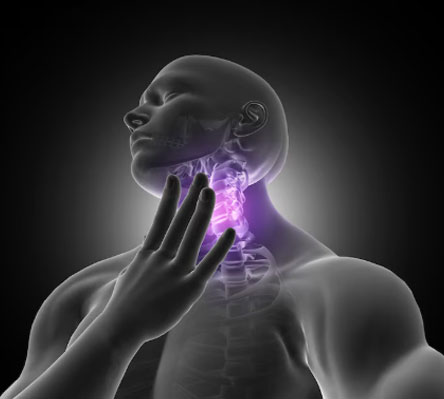
About the Thyroid Gland
The thyroid is a butterfly-shaped gland in the neck that produces hormones controlling metabolism, heart rate and energy.
Reasons for Thyroidectomy
Surgery may be advised for:
Large Goitre
A large goitre causing swallowing or breathing difficulty.
Suspicious Nodules
Nodules suspicious for cancer or confirmed thyroid cancer.
Hyperthyroidism
Hyperthyroidism not controlled by medicines or radioiodine.
Cosmetic Concern
Cosmetic concern from visible neck swelling.
Swelling, nodules, overactivity or cancer may require surgery.
Types of Surgery
Hemithyroidectomy
Removes one lobe of the thyroid.
Total Thyroidectomy
Removes the entire gland.
Cancer Cases
In cancer cases nearby lymph nodes may also be removed.
Nerve Monitoring
Techniques such as nerve monitoring help protect the voice nerves and parathyroid glands.
Before and After
Tests include thyroid function, ultrasound, fine-needle aspiration and, where needed, vocal cord checks. After surgery, hospital stay is usually one to three days. If the whole gland is removed, you will take daily thyroid hormone tablets, and your doctor will adjust the dose through blood tests. Calcium levels are monitored in the early period.
Planning With Curis Global
We connect you with head and neck or endocrine surgeons, arrange all pre-operative tests and help you secure a medical visa. Reports and dosage plans are prepared so your local endocrinologist can continue care.
Frequently Asked Questions
Will my voice change?
Most patients have a normal voice. Rarely, temporary hoarseness occurs.
Is the scar visible?
A small neck incision is placed along a natural skin crease and generally fades well.